
 ENVIRONMENTAL SCIENCE IN THE SCHOOLGROUND
 ENVIRONMENTAL
SCIENCE IN THE SCHOOLGROUND
ENVIRONMENTAL
SCIENCE IN THE SCHOOLGROUND
Our schoolgrounds are a rich
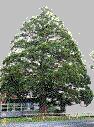
resource for botanical studies. All plants have been identified and named. We value the giant Redwoods and Oaks which were planted last century and the mature Scentbarks in the quiet area. A stand of remnant Blackwoods has been declared a botanical heritage area to save them from the chainsaw. Deciduous trees planted on the north side of rooms provide shade in summer and allow winter sunshine. We are more energy efficient and the working environment has been improved. The bird-attracting shrubs and trees in the carpark were chosen by a parent who was a member of the Society for Growing Australian Plants.
 Crimson Rosellas have been seen visiting our timber nesting boxes which were built with the help of students from the local secondary college. Among the many species of birds which children can see are Currawongs and Yellow-tailed Black Cockatoos in the Redwoods and Honeyeaters in the Banksias and Grevilleas. In 1992 Plovers nested in the grass on the school oval and hatched four chicks! Are we a caring school?
 On nature walks in the schoolground students can see and feel different kinds of tree bark such as paperbark and ironbark. They can collect a great variety of seedpods such as Hakea, Casuarina, Melaleuca, Callistemon and gumnuts. They also collect autumn leaves and acorns and find many species of minibeasts. The rocks are mostly quartz and grey shale. Alas, the gold has long since gone.
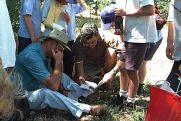
Our students enjoy their outdoor experiences in many different environments ranging from the duck pond at Sovereign Hill to the rich ecology of Lake Wendouree. We have our own local Canadian Creek and School Pine Plantation and visits have been made to Serendip Wetland Sanctuary and Creswick Landcare Centre.
School camps are held in the bush at Pax Hill, at the beach at Anglesea and in the cool rainforest of the Grampians National Park.
 ... WWW Links ...
 Gould League of Victoria